Make segmentation your superpower: How Lighthouse Poole used Audience Spectrum to drive growth
Contents
- Our Challenges
- Desperately Seeking Segmentation
- Building A New Audience Development Plan
- Making The Pieces Fit
- Key Takeaways
Topics
John Baker, Head of Audiences & Communications at Lighthouse Poole tells us how they've used Audience Spectrum to drive growth and support a new audience development strategy.
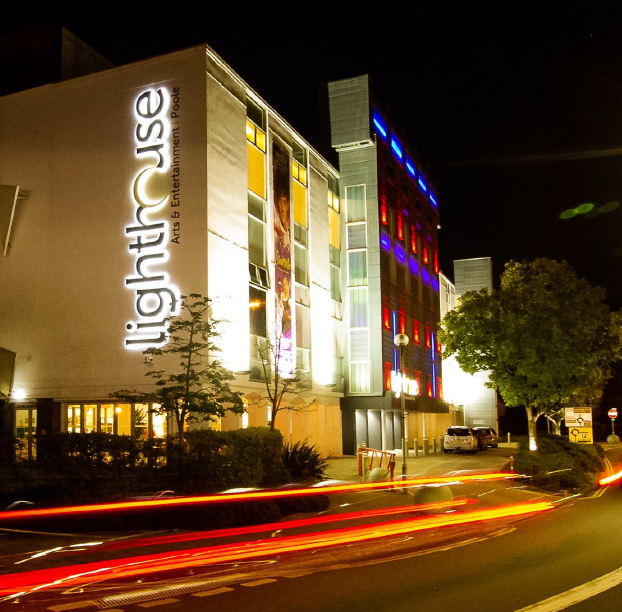
I work at Lighthouse in Poole. We have 4 venues. We have over 550 different shows a year, each with its own individual marketing campaign. We have a small marketing team who are big on ideas, but short on time.
We are ambitious to grow audiences, increase loyalty and build our brand.
But how? So, many show campaigns, so little time!
My colleagues, Lynda Barber (Marketing Manager) and Tom Shallaker (Audience Insights & Sales Manager) and I, wanted to take a new approach to get off the treadmill of show-by-show campaigns and find a new strategy to build and grow our audiences.
We were wanting to find a way to use audience segmentation to make sense of it all – not only in marketing and communications, but also across our entire front-of-house and hospitality offer.
Our Challenges
2024/25 saw Lighthouse’s most successful year of ticket sales in a decade, but alongside the positive headlines, our team were also noticing some underlying trends that we wanted to address.
Our database analysis showed that:
- Frequency of attendance was declining
- First time booker retention rates were falling
We also wanted to develop new audiences from across our region, but we needed a way of understanding from where, why and how!
As with all marketing departments, we weren’t short of suggestions, but we wanted our decisions to be data-led, so that we could get the best return on our investment in time and budget.
Desperately Seeking Segmentation
We wanted to regroup and rethink and find a new way to rebuild our relationship with the audience we have and understand where new potential customers could be cultivated. It was time to knock things down, be radical and rebuild our approach to audience development.
We knew what we didn’t want to do. We didn’t want to only use booking history as a way of defining who our customers are.
All of us had received direct marketing from organisations that defined us by what we last booked – Hello, Dance Fan anyone?– and we felt this is not enough, as we are all real people, living real lives.
Looking at what people booked does not reveal much about what actually motivated that booker, or what else they might do with their leisure time, or what their barriers to engagement with the arts might be, or what marketing tactics they might respond to.
We decided that we wanted to look at demographic segmentation, rather than booking history, as that felt a better way to shape our marketing and hospitality offer around people’s lives.
We wanted to talk to people about cultural experiences in a way that reflected their lives, motivations and attitudes.
To do this, we had to choose a segmentation system and we made the decision to use Audience Spectrum, as we felt that it had the advantage of being built around data on how people act as arts attenders.
We felt that this would help us get a fuller picture of our audiences as people, not just defining them as bookers of a specific type of show.
Building A New Audience Development Plan
When we tagged our entire database with their Audience Spectrum segments, we quickly understood more about whom our audience were, and of equal importance, who they were not - yet!
We could see that we were doing well with certain segments such as Commuterland Culturebuffs (affluent and professional suburbanites who were keen consumers of traditional culture) but less well with Experience Seekers (highly active audiences who engage with more eclectic and cutting-edge art forms).
As well as understanding whom our existing audiences were, our work with The Audience Agency also showed us how our customer base compares with our surrounding population, so that we could decide where there was the opportunity to grow more audiences from each segment and where they are most likely to live.
We then used this information to build a new audience development plan, all based on the information that we had gained on who our audiences are and what is most likely to motivate them to take part in cultural activity.
Making The Pieces Fit
We wanted our new audience development plan to be owned by the whole organisation, not just the marketing team, so we ran a series of workshops with our different teams to build a plan - from programming to front-of-house, from marketing to development.
We wanted to create a plan that was practical and added value to our busy jobs, helping us to make the right decisions based on what we know and where we wanted to get to.
Our approach was based around four key areas:
1. Segmented Marketing: Saying The Right Thing To The Right Customer

With over 500 events a year, not everything is going to be of interest to all audiences,
We decided to develop a curated approach, hand-picking a selection of shows to tell each of our different audience segments about – not based around genre, but around likely motivations for each customer segment.
To our Experience Seekers, we told them about our new programme of original music gigs and contemporary writing in our Sherling Studio space; for our Commuterland Culturebuffs, we highlighted performances by highly acclaimed artists and classic drama productions with a track record of acclaim and prestige.
With our database all tagged by Audience Spectrum, we quickly introduced new email campaigns that curated an offer for each segment, replacing our existing approach of telling everyone about everything.
The results of this new approach were immediate:
- Average open rates increased by 10%
- Our click throughs increased by 56%
- Our ticket sale conversion rate increased by 60%
- Our ROI (per £1 spend) increased by 54%
We also took a similar approach to our print distribution, designed to reach new audiences. Previously, we had created print that listed events by genre (with dance, family and music guides), so we replaced these with print that showed a curated list of events that were most likely to appeal to specific audience segments.
We distributed these to postcodes which had the highest levels of each audience segment living there, all areas which our work with The Audience Agency had helped us to identify as places of potential audience growth.
Early results have shown that this approach has helped us to boost customers from our different target areas, including:
- +177% attendance growth from Dorchester (previously identified as a ‘high potential area’)
- +92% from Wimborne
- +60% from Upton
- We also had a significant uplift across priority segments (+100% for Experience Seekers, +41% for Home & Heritage, +16% for Commuterland Culturebuffs) within particular show campaigns, by sending different versions of show emails tailored to different segments.
Whilst we are at the beginning of our journey with this new approach, we can see the early results of thinking about the demographics of our audiences, rather than defining them solely by past purchases.
2. Creating Bespoke Customer Experiences For Our Audience Segments
Given that our new audience development plan was owned by the entire Lighthouse team, we started to think differently across other areas of our operation.
Having recently introduced new on-line catering upsells for our customers, we trialled creating different offers for our different audience segments.
An early example of this was an afternoon tea, designed to appeal to our large Home & Heritage segment (rural and small-town pensioners attracted to daytime activities and historical content). We offered this to customers booking for the latest Downton Abbey film and (despite an unexpected clotted cream shortage in Dorset last summer!) the upsell package was a significant success and we created a new sense of community in our foyers. Similarly, for our Trips & Treats segment (mainstream arts and popular culture fans), we created a prosecco offer to help people make a night of it!
All of our decisions on these upsell offers, were made by referring to the profiles of each Audience Spectrum segment, helping us to tailor our offer to different types of audiences, rather than a one-size-fits-all product.
The result of this has been to increase subsidiary spend and to improve the overall customer experience by making it more bespoke and tailored to what our customer segments need and want.
In our organisation-wide Customer Journey Group, we spend time together developing new upsell packages that are most likely to appeal to our different audience segments – the more original the suggestion, the better.
Watch out for our upcoming craft ale from local micro-breweries upsell for our Experience Seeker audiences!
3. A shared understanding of our audiences
As a consequence of organisation-wide conversations about our new audience development plan, Audience Spectrum has become a shared language across our teams – creating a common understanding about who Lighthouse’s customers are and the audiences whom we are wanting to develop.
This has resulted in:
- Targeted programming to develop particular segments (e.g. our new original music programme aimed at underrepresented audiences).
- Stronger fundraising cases supported by a clearer audience need – (such as our programme of low-cost film screenings for the Frontline Families segment).
Successfully targeted access initiatives, such as affordable pantomime tickets for lower-income families.
4. Personalised Communications and Automation: what’s the ‘next best thing’ for each booker?
To tackle the challenge of falling first time booker retention and declining levels of frequency of attendance, our team also developed automated journeys for our customers, to encourage them to do the ‘next best thing’ in our relationship with us.
This approach was developed with support from JPMorgan Chase’s Force For Good programme, an initiative that uses technology to support the work of charities. Using our existing Spektrix CRM box office system, we create automated emails that encouraged customers from different segments to build their loyalty with Lighthouse.
Instead of sending the same follow-up email to every new customer, automated journeys are being tailored around likely motivations and interests for different audience segments.
We also encourage our regular customers, who are not yet members, to join our Friends scheme through an automated email, that is sent once a threshold of visits has been reached.
Results:
- Response to automated emails:
- 64.7% open rate
- 12.9% click-through rate
- Improved conversion from first-time to repeat attendance
Key Takeaways
There is still much more to do, but our learnings from our new approach are:
- Audience Spectrum segmentation can help you make sense of who your audiences are and what is most likely to motivate them to attend cultural events.
- Tailoring your message to different segments increases the impact of your marketing, as it means we are saying the right things to the right people.
- Using automation to personalise the message, in a way that reflects where customers are in their loyalty journey with your organisation, drives stronger results.
- Create your audience development plan with the whole organisation and then you’ll see all teams sharing a common language and sense of purpose.
- Expect to work in short sprints – we all have competing demands on our time – so aim for concentrated bursts of activity on your Audience Development Plan – then see what has happened and learn from it.
New to Audience Spectrum?
Audience Spectrum is the most powerful segmentation tool for the UK cultural sector
Find out how it can help youCase Studies
-
 Audience Spectrum in Action | Securing Funding for a Circus Festival
-
 Aberdeen Performing Arts: Creating a common language for understanding audiences
-
 Audience Spectrum in Action | London & Culture Calling Arts
-
 Audience Spectrum in Action | Theatr Brycheiniog
-
 How Audience Spectrum helped support Nottingham Playhouse's Levelling Up Strategy
-
 Looking ahead at Hall for Cornwall
-
 Using Audience Spectrum to drive culture change and a major audience development programme
-
 Audience Spectrum in Action | Edinburgh International Festival
-
 Shakespeare North Playhouse: Audience development using Audience Spectrum as a catalyst and tool
Related Guides
- Boost Your Email Marketing with Audience Spectrum - a step by step guide
- How to use Audience Spectrum to Enhance your Funding Applications
- How to Use Audience Spectrum to Inform Your Programme and Engage with Diverse Audiences
- How to use Audience Spectrum to Target Paid Online Advertising
- How to use the Audience Spectrum Segments in your Catchment Area chart on your Overview Dashboard
- Segmentation made simple
- Using Audience Spectrum Subsegments | Speak your benefactors' language
- Using Audience Spectrum Subsegments | Upsell your add-ons more effectively
- Top Tips | Using the Audience Spectrum Subsegments
- Using Audience Spectrum Subsegments | Get personal with your profiling
- Using Audience Spectrum Subsegments | Access your underserved audiences
- How understanding audience segmentation can inform your website user experience
- Explanation: Mosaic
- What is the Audience Spectrum Enhancement in Spektrix, and how does it work?
- How to get started with applying Audience Spectrum attributes to your Spektrix reports
- Using Audience Spectrum strategically as a customer attribute in Spektrix
- Creating and improving dynamic content in Spektrix using Audience Spectrum
- Audience Development Planning
- Using evidence for setting audience metrics
- Audience Development Planning - Using Evidence
- 10 Questions to Ask Yourself When Engaging with Communities
- KPIs for audiences: a practical guide
- Creative Activities For Engaging Communities
- Using Your Population Profile Report Plus
- Meaningful mapping
- Getting Started with Audience Development
- An introduction to benchmarking
- Using Audience Answers to increase loyalty and frequency
- Audience Development Playbook